
Astaroth is a prominent figure in demonology and occult traditions, often depicted as a powerful and enigmatic spirit. His origins can be traced back to medieval grimoires and texts where he is described as a demon or archdemon with considerable influence over knowledge, secrets, and hidden truths. In many accounts, Astaroth is portrayed as a noble and wise being, sometimes appearing as a handsome angelic figure or a robed scholar wielding a sceptre. His name is believed to derive from ancient goddess figures linked with fertility and wisdom, which has contributed to his complex characterisation as both a teacher and a formidable adversary. Unlike some demons associated solely with chaos or destruction, Astaroth is often seen as a figure of great insight, offering knowledge and guidance to those who seek him with respect and sincerity.
Throughout history, Astaroth has been invoked and referenced in various grimoires, such as the Lesser Key of Solomon, where he is described as a great duke of Hell. He is believed to possess vast knowledge of the universe’s secrets, including astrology, alchemy, and the mysteries of life and death. While some view him as a malevolent force, others see Astaroth as a misunderstood being whose wisdom can be harnessed for enlightenment. Modern practitioners often approach Astaroth with reverence, viewing him as an ally in gaining clarity, understanding complex situations, or unlocking hidden knowledge. Rituals invoking Astaroth tend to focus on respectful communication and the pursuit of enlightenment rather than domination or fear.
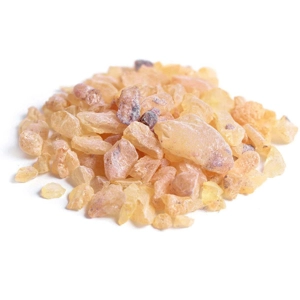
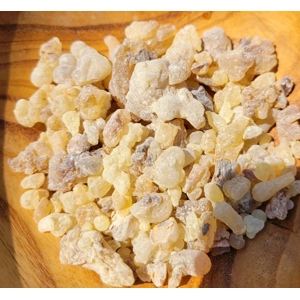
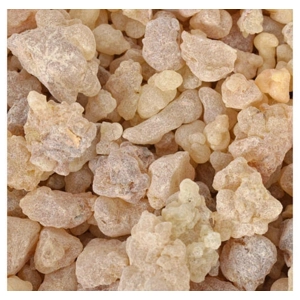
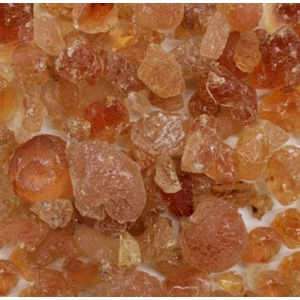
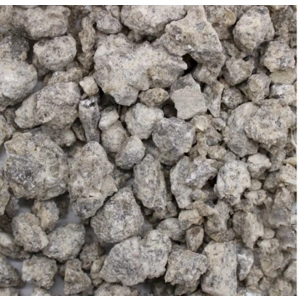
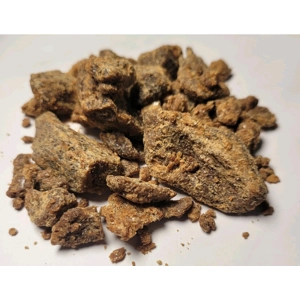
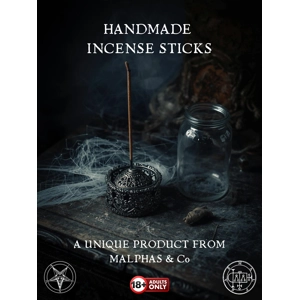
At Malphas and Co, we recently engaged in a unique ritual honouring Astaroth. Rather than relying solely on traditional invocations, we decided to craft some homemade incense sticks using leftover ingredients from previous rituals—an act that symbolised both respect and resourcefulness. The ingredients we chose to use included aromatic herbs, resins, and essential oils that evoke qualities associated with Astaroth—wisdom, clarity, and spiritual insight. These included frankincense, myrrh, and a touch of sage, blended carefully to create a fragrant offering that would help establish a connection during our ritual work.
The process of making these incense sticks was deliberate and mindful. As we combined the herbs and resins, we focused on the intent of seeking wisdom and guidance from Astaroth. We believed that the fragrant smoke would act as a conduit, carrying our intentions and prayers to him, inviting his presence and assistance. Repurposing leftover ingredients also carried a symbolic meaning: transforming remnants of past spiritual work into new offerings, embodying the idea of growth, renewal, and the continuous pursuit of knowledge. Once prepared, we lit the incense in a quiet, sacred space, allowing the fragrant smoke to fill the room and create an atmosphere of clarity and focus.
This act of crafting and burning homemade incense in honour of Astaroth was both a spiritual practice and a gesture of respect. It symbolised our desire to forge a meaningful connection with this powerful entity, recognising his role as a guide and a keeper of secrets. The incense served as a tangible offering, a bridge between the material and spiritual worlds, and a way to invite Astaroth’s energy into our work. Through this ritual, we hoped to deepen our understanding of ourselves and the universe, embracing the wisdom that Astaroth embodies and making space for insight and enlightenment.
In conclusion, Astaroth remains a compelling figure in the realm of demonology and spiritual practice. Our homemade incense ritual exemplifies a contemporary approach—one rooted in respect, creativity, and the recognition that seeking knowledge and wisdom requires humility and intention. Engaging with entities like Astaroth can be a profound experience, offering opportunities for growth, understanding, and spiritual unlocking when approached with reverence and mindfulness.
Product Code: 7ZgkLs6
Brand: Malphas & Co
Product Condition : New
Related Products